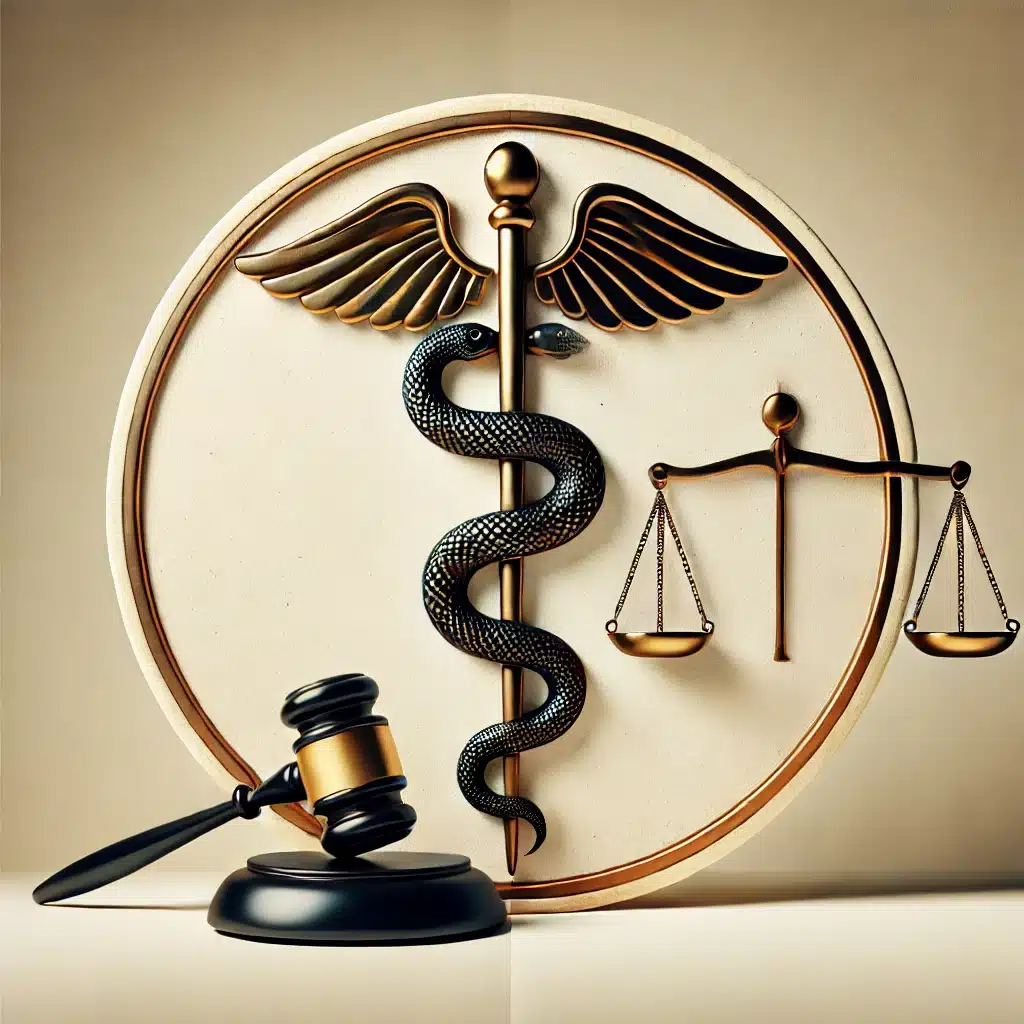
Medicine plays a fundamental role in promoting health and well-being in our society. However, the relationship between healthcare professionals and the judicial system has been marked by an environment of fear and insecurity, which can compromise not only medical practice but also collective progress. It is essential to reflect on the impacts of an excessively punitive judicial system regarding medical negligence.
The imposition of severe punishments for medical errors creates a climate of apprehension among healthcare professionals. This fear can lead doctors to adopt defensive behaviors, such as hiding mistakes, avoiding the transparency needed for identifying and correcting failures. When professionals feel threatened, open communication is impaired, preventing the creation of an environment conducive to learning and continuous improvement.
It is understandable that society seeks accountability when a medical error occurs. However, a purely punitive approach can be counterproductive. Instead of encouraging the correction of mistakes, it may promote the concealment of errors, making adequate investigations and the implementation of effective preventive measures more difficult. Without transparent and collaborative analysis, the same problems are likely to recur, compromising public trust in the medical profession.
The ability to learn from mistakes is essential for the progress of medicine and for patient safety. A system that prioritizes learning over punishment creates an environment conducive to innovation and the improvement of healthcare services. Focusing on identifying systemic causes and implementing collaborative solutions not only prevents the recurrence of errors but also advances safer and more effective medical practices.
To promote a safer and more productive environment, it is crucial to cultivate a culture of learning. This involves encouraging transparency, establishing open channels for communication about mistakes, and developing reporting systems that do not automatically penalize the professionals involved. By understanding the root causes of errors and working collectively to prevent them, we strengthen the trust between doctors and patients and improve the quality of healthcare.
The benefits of a learning-oriented system are numerous. The quality of medical services improves with the identification and correction of failures. Transparency reinforces public confidence in healthcare professionals. Moreover, preventing future errors is more economical and efficient than dealing with the consequences of recurring failures, allowing resources to be directed towards innovation and technological development in medicine.
Medical practice demands precision, empathy, and an unwavering commitment to continuous improvement. For doctors to fully exercise their vocation, it is essential that the judicial system evolves into a model that supports, rather than punishes, in the face of errors and negligence. By promoting a culture of learning and transparency, we not only strengthen the medical profession but also contribute to the well-being and progress of society as a whole.
It is time to rethink our approaches and build an environment where trust and learning are the foundations of medical practice. By turning mistakes into opportunities for growth, we will be paving the way for a healthier and safer future for all.